Stories
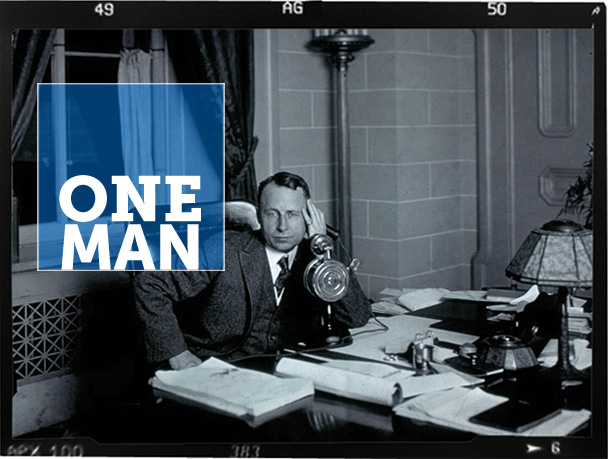
One Man

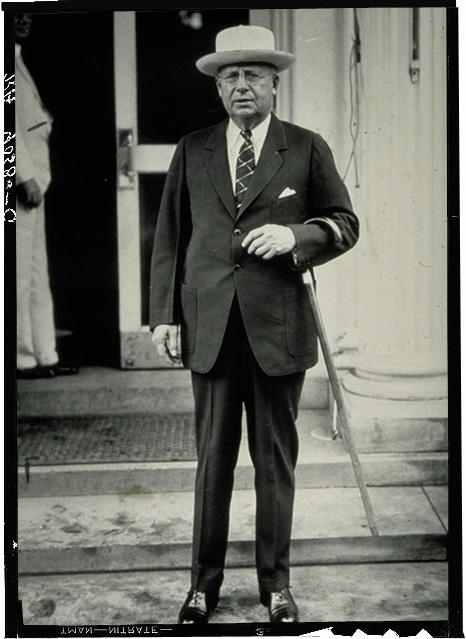
Where you come from matters. Where you get to matters even more. What you do along the way creates a unique and improbable template for the future. That is certainly true of James Middleton Cox, founder of Cox Enterprises.

EARLY YEARS

He came from farm country in Ohio, outside the small town of Jacksonburg. Born in 1870, he was the youngest of seven children who were expected to work on the farm from the cock’s crow to the ring of the dinner bell, an ethic he applied to all he set his hand. When he had off time he hung out at the local store and talked politics with the old men playing checkers. He relished reading the news and was interested in everything from the local county fair to women’s suffrage to the massacre of Native Americans at Wounded Knee. The world was expanding with telephones and telegraphs and as news became more and more immediate, Cox became more engaged with national and international concerns. The Great War loomed.
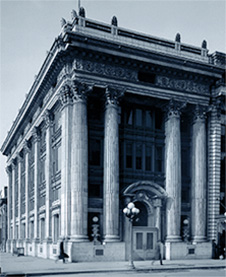
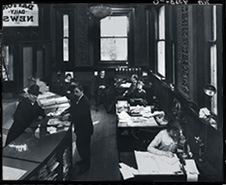
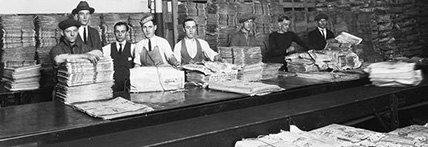
Cox delighted that many mistook the Dayton Daily News building for a bank.

Taste for politics

In 1894, Cox was offered the job of private secretary to Congressman Paul Sorg, a relationship that fostered his growing passion for politics. Sorg and Cox shared an indomitable work ethic, putting in long hours in Washington. After two terms, Sorg’s health began to fail, and he decided not to seek reelection. Both men returned to Ohio in 1897.

Newspaper publisher at 28

Cox dreamed of owning a newspaper where he could write the news without concern for special interests. With Sorg’s help, a 28-year old Cox purchased the flailing Dayton Evening (now Daily) News for just $26,000.

When Cox decided to find a larger home for his venture, a local bank refused to loan him money. Undaunted, Cox found financing elsewhere and designed the new Dayton Daily News facility “to symbolize a solid institution.” He ultimately had the last laugh. At the building’s 1910 gala opening, the News was not only profitable, but 10,000 people visited in a single day.

Each choice, each stand, each decision made by Governor Cox throughout his life is reflected in what today is Cox Enterprises.

history_story_p3_photo1
listen
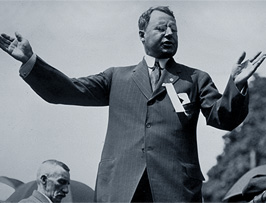
A radio speech from Governor Cox on the World War during his presidential run in 1920.
history_story_p3_photo3
history_story_p3_photo2

Governor’s seat

James M. Cox had demonstrated he was an astute man of business. He was also a man of the community with a call to public service. As the Great War loomed, he was elected Governor of Ohio in 1913 and reelected twice. Governor Cox passed many progressive state legislative reforms while in office – including workmen’s compensation, a child labor law, a mothers’ pension system, prison and school system reforms and the elimination of sweatshops.

Presidential bid

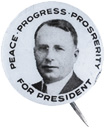
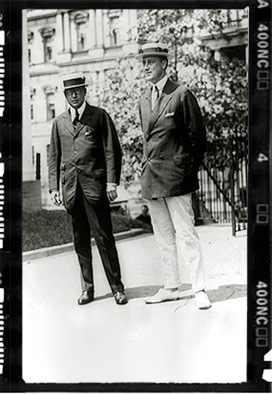
In 1920, Cox was the Democratic nominee for President, his running mate: Franklin Delano Roosevelt. While defeated, due in part to popular isolationist sentiments contrary to his more international vision and support of the League of Nations, James M. Cox left an enduring stamp on both the nation’s politics and news industry.

Later years

With the election behind him, Cox focused on expanding his media business. In 1935, as radio was taking off, he started Dayton’s first radio station, WHIO. In 1939, Cox acquired The Atlanta-Journal newspaper and the South’s oldest radio station, WSB. Cox’s broadcast innovation continued in 1948-1949, when WSB-TV in Atlanta and WHIO-TV in Dayton hit the airwaves.

Cox published his memoirs, Journey Through My Years, in 1946. He ended with this poignant remark:
“Despite past and present discouragements, I still have faith in the ultimate good and progress of mankind.”
That optimistic sentiment lives on through his legacy, Cox Enterprises.

NEXT: See the Cox historical timeline